Creating a relaxing home workspace can make a big difference in your productivity and overall well-being. When your work environment feels calm and inviting, it’s easier to concentrate, reduce stress, and get tasks done efficiently. Whether you work from home full-time or occasionally, setting up the right space is key. In this post, we’ll explore practical tips to help you transform your home workspace into a haven of productivity and relaxation.
Why a Relaxing Workspace Matters
Before diving into practical tips, it’s important to understand why your workspace atmosphere impacts your work. A cluttered or uncomfortable area can lead to distractions, fatigue, and decreased motivation. On the other hand, a workspace designed with relaxation in mind helps you maintain focus and keeps your energy levels steady.
Choosing the Right Location
Consider Natural Light
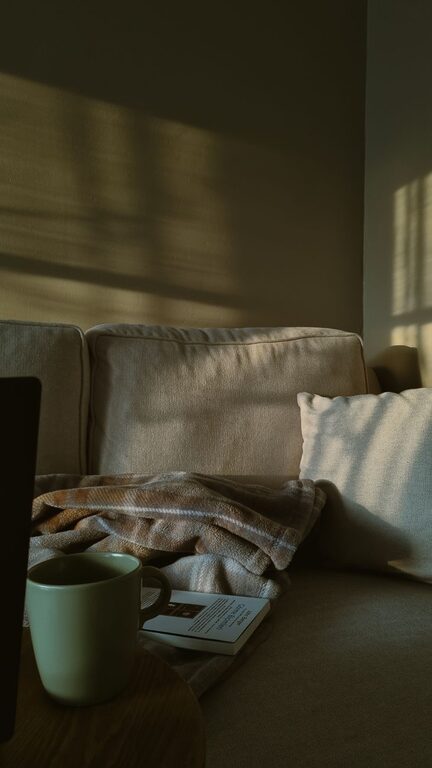
Whenever possible, choose a spot that gets plenty of natural light. Sunlight helps regulate your body clock and can improve your mood. Position your desk near a window to take advantage of daylight, but avoid glare on your screen by adjusting blinds or curtains.
Minimize Noise and Distractions
Find a quiet area where you can concentrate without interruptions. If your home environment is noisy, consider noise-canceling headphones or playing soft background music to mask distracting sounds.
Declutter and Organize
Keep Only Essentials on Your Desk
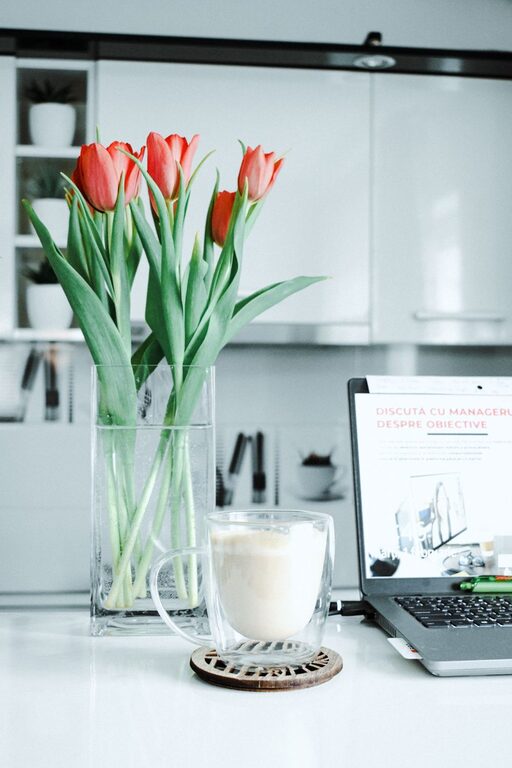
An overly crowded desk can feel overwhelming. Try to limit the items on your workspace to what you use daily—such as your computer, a notebook, and a couple of pens.
Use Storage Solutions
Shelves, drawers, and organizers help keep your space tidy and make it easier to find what you need. Label storage containers to speed up organization and reduce clutter.
Add Comfort and Support
Invest in Ergonomic Furniture
A comfortable chair with proper lumbar support will protect your back during long work sessions. Pair it with a desk at the right height to avoid strain on your neck, shoulders, and wrists.
Personalize with Soft Touches
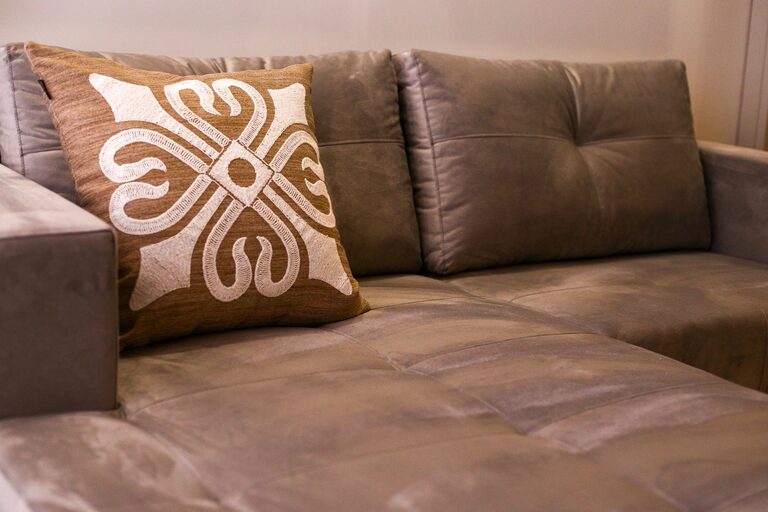
Adding a cozy cushion, a soft throw blanket, or even a small area rug can make your space more inviting and relieve tension during breaks.
Incorporate Relaxing Elements
Bring Nature Indoors
Plants can improve air quality and add a calming vibe to your workspace. Choose low-maintenance plants such as succulents, snake plants, or pothos.
Use Calming Colors
Soft, neutral colors like blues, greens, and earth tones can create a soothing atmosphere. Consider painting a wall or using accessories in these shades to reduce stress.
Add Scent and Sound
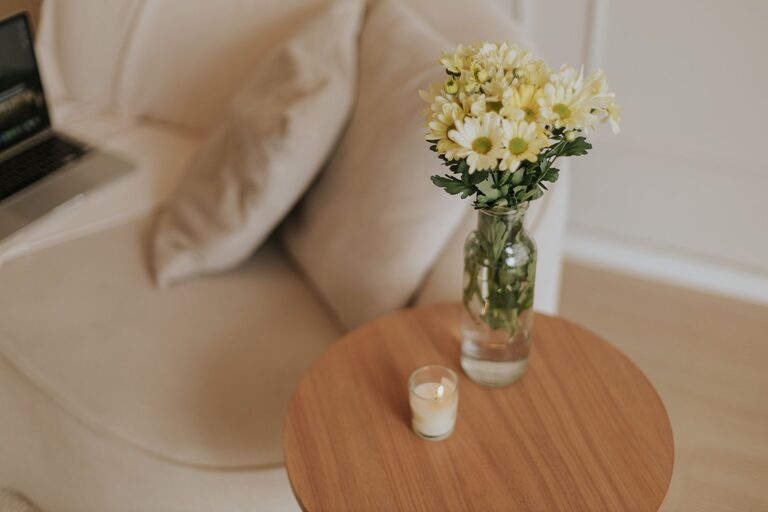
A subtle aroma from essential oils or candles, like lavender or eucalyptus, can help you relax. Likewise, gentle background sounds, including nature sounds or instrumental music, may enhance focus.
Optimize Lighting
Use a Balanced Light Setup
In addition to natural light, incorporate adjustable desk lamps that provide warm, soft light. Avoid harsh overhead lighting, which can cause eye strain and fatigue.
Take Regular Breaks from Screens
Make a habit of stepping away from your screen every hour to rest your eyes and reduce tension.
Establish a Routine
Set Clear Work Boundaries
Define your work hours and stick to them to prevent burnout. Having a dedicated workspace helps mentally separate work time from relaxation time.
Keep Work and Personal Items Separate
Avoid mixing entertainment or personal activities in your workspace to help maintain focus during work hours.
Keep It Fresh and Inspiring
Change Layout Occasionally
Rearranging your furniture from time to time can renew your energy and creativity.
Display Motivational Quotes or Art
Adding visual inspiration can keep you motivated and remind you of your goals.
Final Thoughts
Designing a relaxing home workspace doesn’t require a big budget or major renovations. Small adjustments, from improving lighting to decluttering your desk, can have a significant impact on your comfort and productivity. Prioritize creating an environment that supports both focus and relaxation, and you’ll find your workdays are more enjoyable and productive.
—
With these tips, you’re well on your way to crafting a home workspace that helps you stay calm, focused, and efficient. Remember, a well-designed space benefits not just your work but also your overall well-being. Happy working!
About the Author